
The historical idea behind Ibandla is important for Menopause advocacy because it encourages Men to become active participants in conversations that were previously ignored or considered “Women’s private issues.”
Ibandla
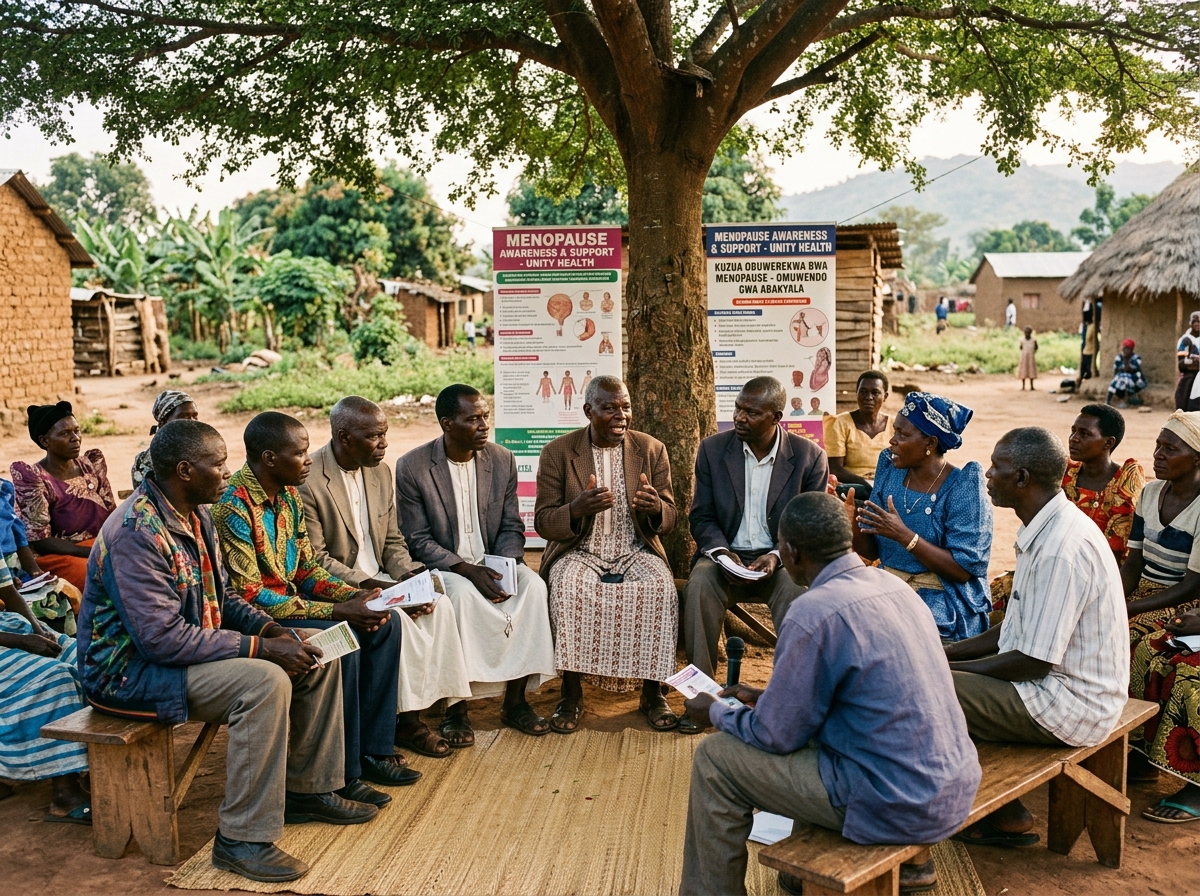
In many African communities, especially within cultural and traditional settings across Southern Africa, the word “IBANDLA” represented a gathering, council, conversation circle, or community meeting where Men came together to discuss important social matters affecting families and society. Traditionally, Ibandla symbolizes, unity, listening, leadership, healing, and collective responsibility. The term “Ibandla” has been used for many centuries within traditional African societies, particularly among Nguni-speaking communities in Southern Africa such as the Zulu and Xhosa People. Community leaders, elders, chiefs, spiritual leaders, and respected Men gathered in the Ibandla to discuss important issues affecting society or community.
MIU continues to lead community-centered advocacy that amplifies Women’s voices while involving Men as allies and champions of change.
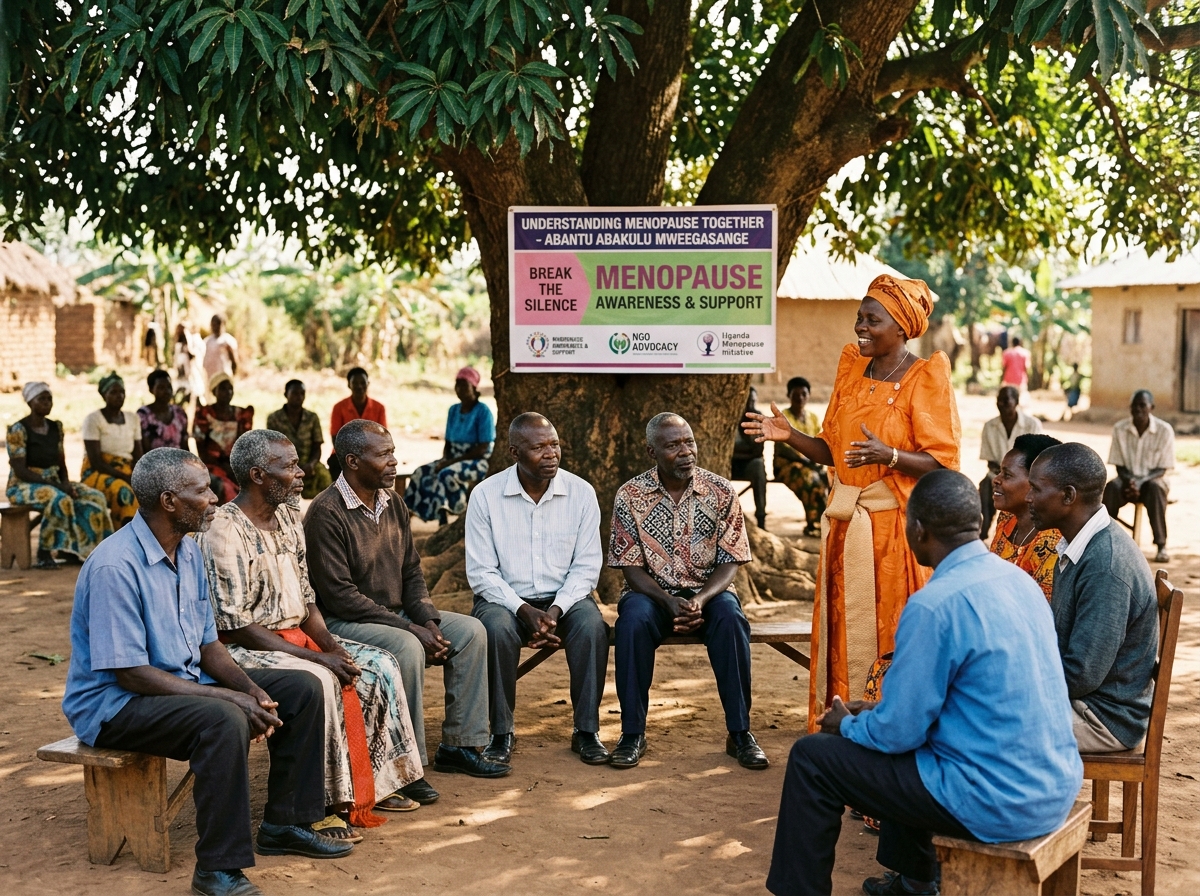
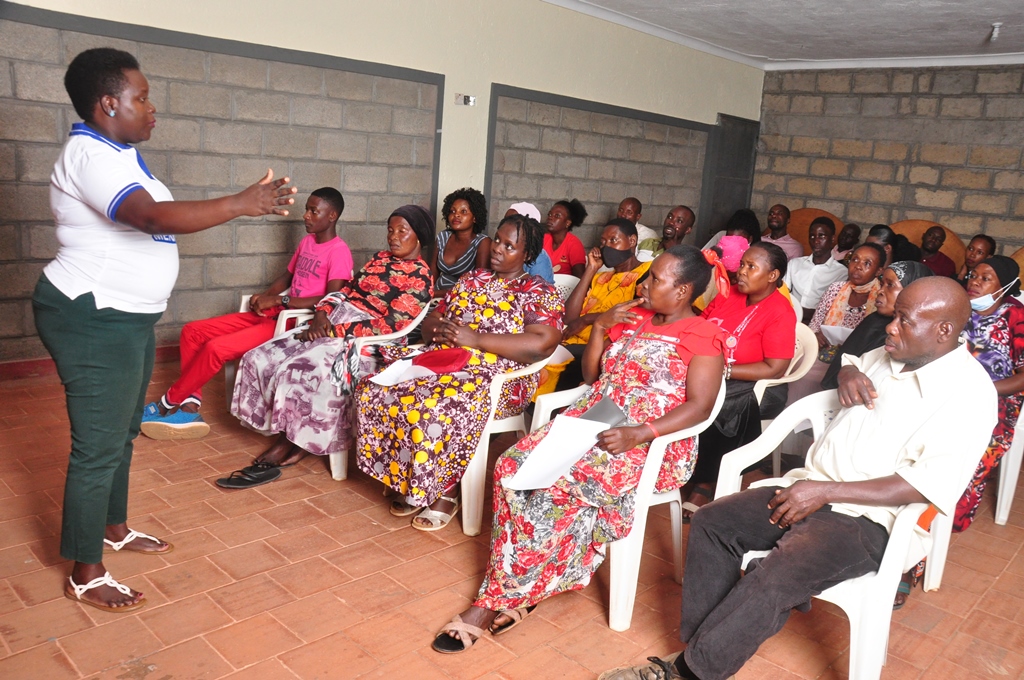
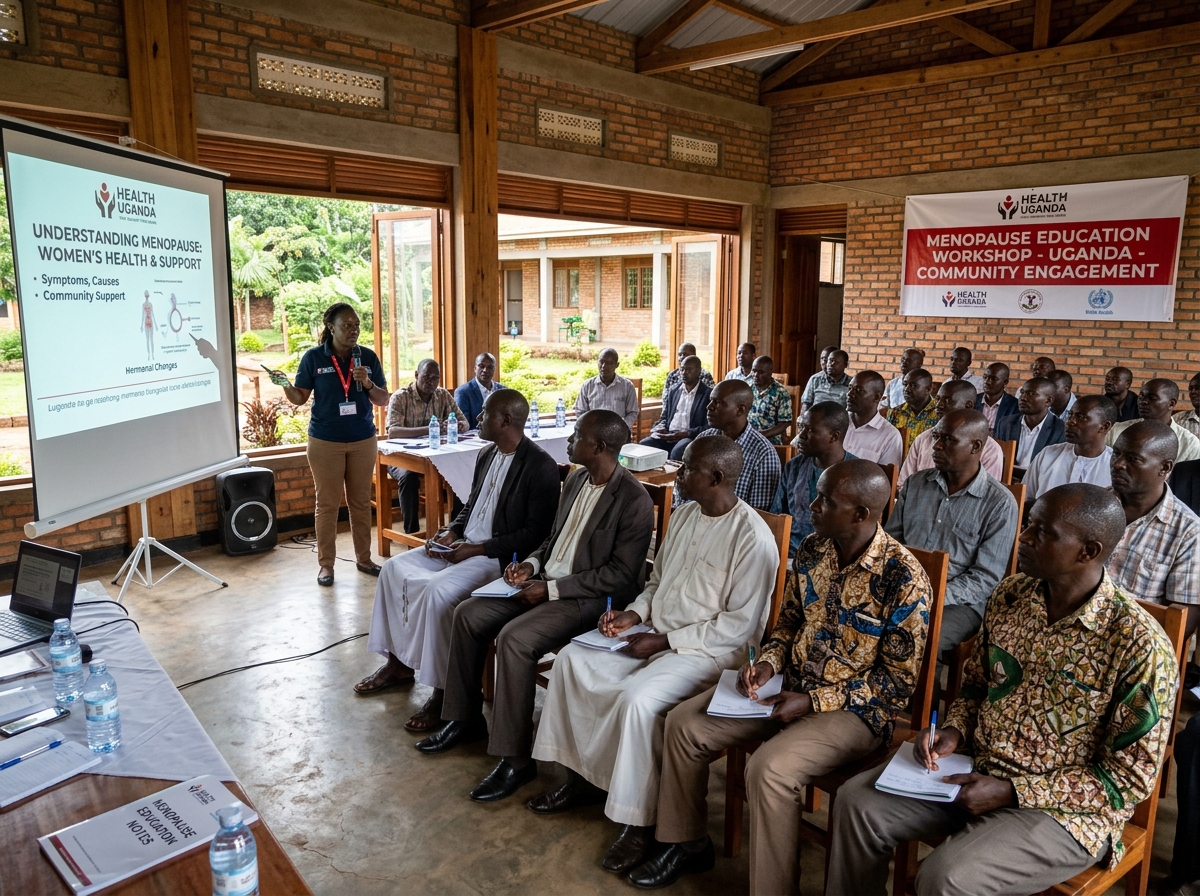
At MIU, the concept of Ibandla has been reimagined as a powerful community movement where Ugandan Men gather to openly discuss Menopause, support Women, break silence, and promote dignity for ageing Women in Uganda and across Africa. That’s why MIU started the IBANDLA program were Men come together to support the Women in their respective communities. This is why the term is powerful in modern Menopause advocacy. It connects African cultural heritage with modern social awareness, encouraging communities — especially Men — to stand beside Women experiencing Menopause instead of leaving them to struggle alone.
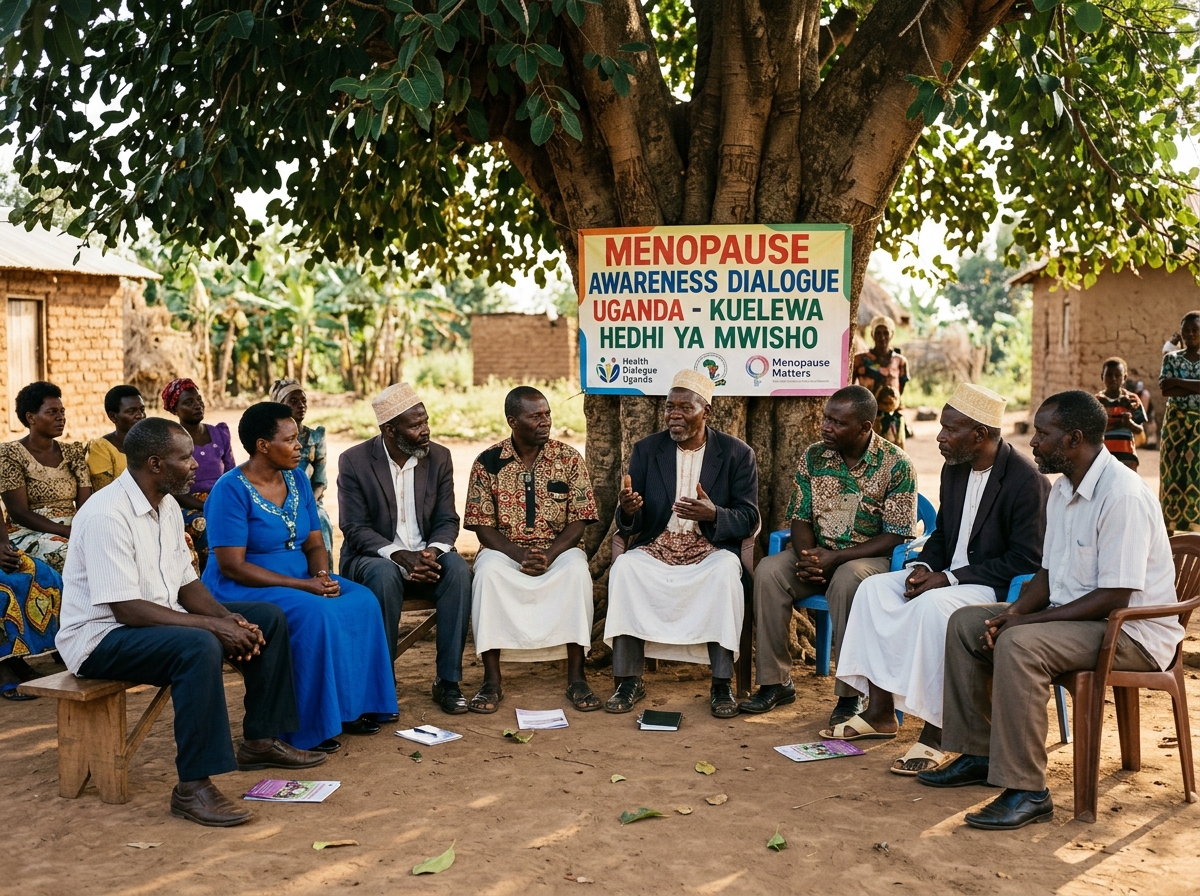
For generations, Menopause has remained one of the least discussed health and social issues affecting Women. Many Women experience hot flashes, emotional stress, sleep challenges, anxiety, depression, social isolation, body changes, and stigma in silence. In many African homes, Men often misunderstand these changes because of limited awareness and cultural silence surrounding Menopause.
The Ibandla Conversations create safe community spaces where Men learn, listen, ask questions, and become active supporters of Women experiencing Menopause. These gatherings encourage empathy, family support, mental wellness, respect for older Women, and healthier relationships within communities.
Why Men Should Talk About Menopause.
Menopause is not only a Women’s issue. It is a family issue, community issue, workplace issue, health issue, and human dignity issue.
Families become stronger.
Women feel respected and supported.
Domestic misunderstandings reduce.
Mental health improves.
Communities break harmful stigma.
Older Women regain confidence and dignity.
Health-seeking behavior improves.
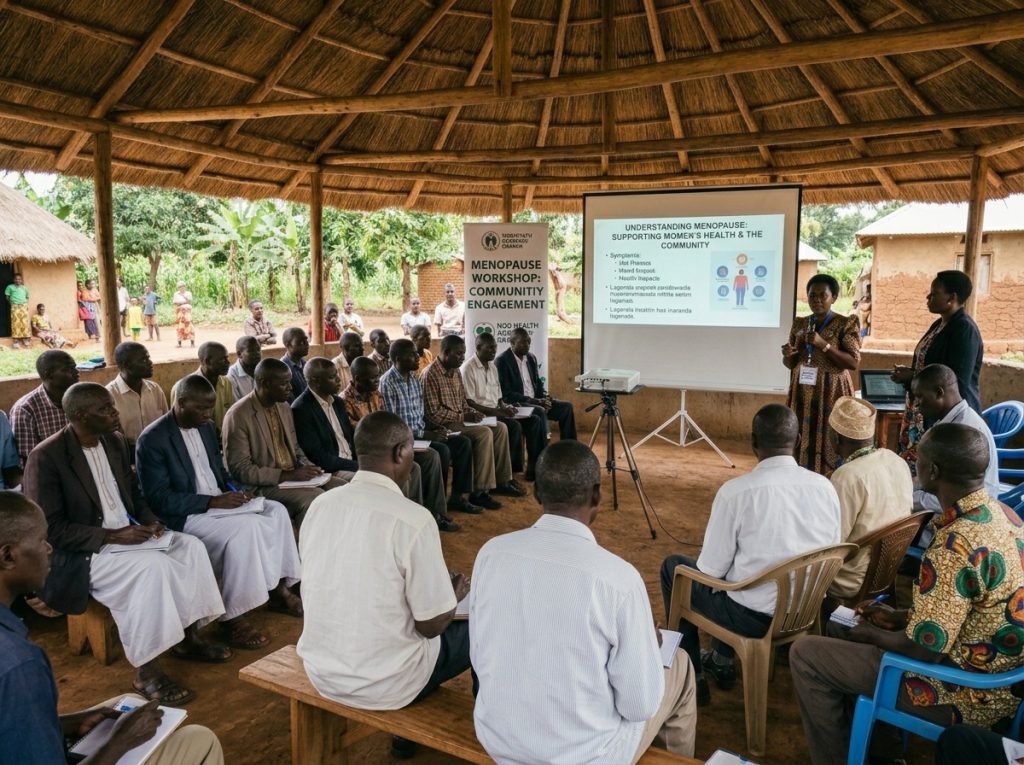
In many African communities, especially within cultural and traditional settings across Southern Africa, the word “IBANDLA” represented a gathering, council, conversation circle, or community meeting where Men came together to discuss important social matters affecting families and society. Traditionally, Ibandla symbolizes, unity, listening, leadership, healing, and collective responsibility. The term “Ibandla” has been used for many centuries within traditional African societies, particularly among Nguni-speaking communities in Southern Africa such as the Zulu and Xhosa People. Community leaders, elders, chiefs, spiritual leaders, and respected Men gathered in the Ibandla to discuss important issues affecting society or community.
The future of Menopause advocacy in Africa depends on:
The Ibandla project represents hope, unity, awareness, and dignity for women across Uganda and beyond.
Community education.
Policy advocacy.
Healthcare inclusion.
Research and awareness.
Cultural dialogue.
Male engagement.
Intergenerational learning .
Why Ibandla is Important to the Community.
1. It Breaks Silence.
Many Women suffer quietly because Menopause is rarely discussed publicly. Ibandla creates safe spaces for open discussion and healing.
2. It Educates Men.Men learn the physical, emotional, and psychological realities of Menopause and how to provide support.
3. It Promotes Respect for Women.The initiative restores dignity and appreciation for older Women in families and communities.
4. It Encourages Mental Wellness.Women experiencing Menopause often face emotional stress and isolation. Community understanding improves emotional wellbeing.
5. It Builds Stronger Families.Open communication reduces misunderstandings between couples and family members.
6. It Supports African Cultural Transformation.Ibandla modernizes traditional community gatherings into platforms for health education and social justice.
The Ibandla gatherings encourage compassion, listening, education, and community action. They challenge myths, reduce discrimination, and create a culture where ageing Women are valued, protected, and celebrated.
At MIU, we believe that Menopause advocacy in Africa must include Men as partners in awareness, policy change, healthcare access, and emotional support.